
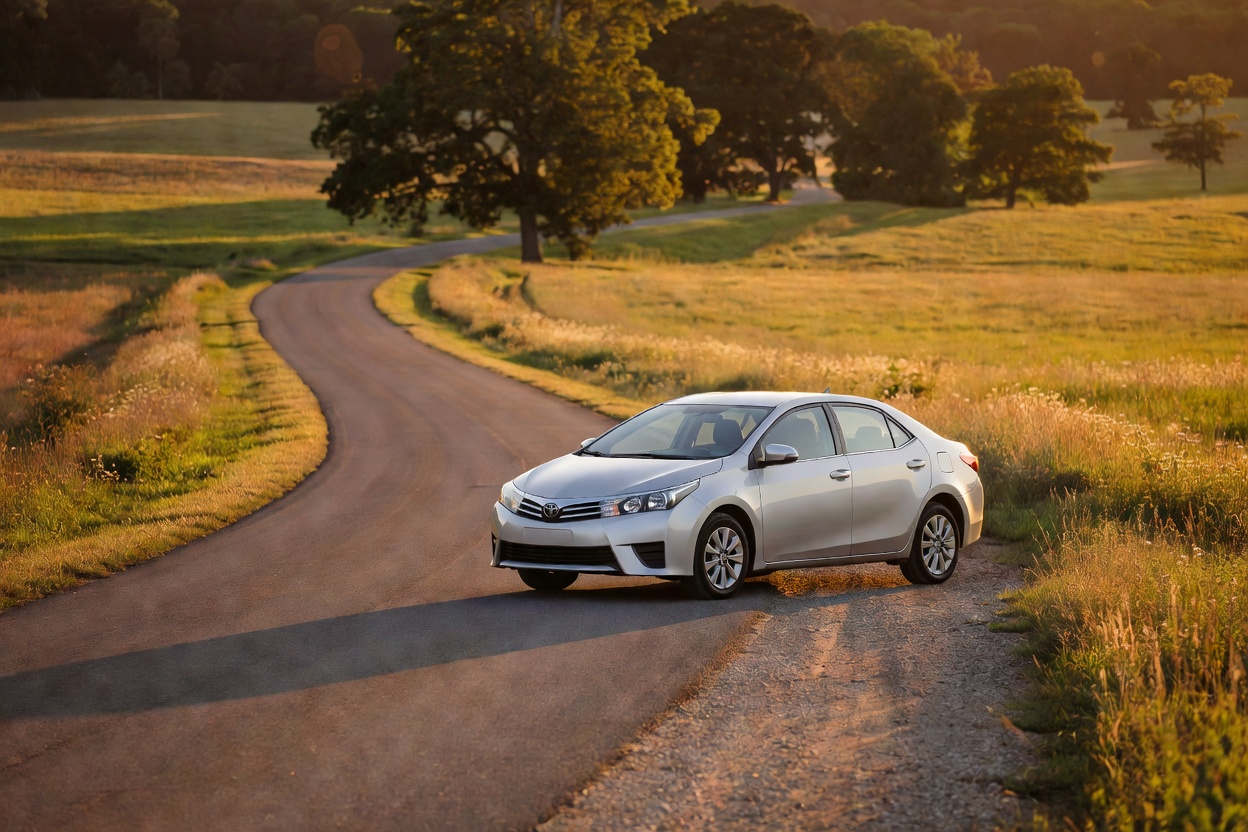
Choose the right car
For narrow coastal roads like the Amalfi Coast or Irish boreens on the Wild Atlantic Way, a compact car is best. For long Alpine drives or families, choose more power and boot space. Manual transmission is the default in many countries, so book an automatic early, especially in summer, and expect to pay more.
Book early and compare
Prices rise for peak months, automatic cars and popular pickup locations. Compare prices across major brands and reputable comparison sites, and read recent reviews for the specific branch. Airport pickups are convenient but often include extra surcharges.
Understand insurance
- Collision Damage Waiver (CDW): Usually included but with an excess, the amount you pay if the car is damaged. The excess can be high.
- Super cover or excess reduction: Offered at the desk to lower or remove the excess. It can be expensive.
- Third-party excess insurance: A separate policy that reimburses the excess. You may still need to pay the rental company first and claim back.
- Credit-card cover: Some cards provide rental insurance, but terms and country exclusions vary. Ireland and some other countries are often excluded, so check in writing.
Deposits and drivers
Most companies place a hold on a credit card for the excess plus fuel, so the card must be in the main driver's name and have enough limit. Debit cards are often not accepted for the deposit. Drivers under 25, and sometimes over 70, may pay extra fees. Add additional drivers at the desk, because unlisted drivers may invalidate insurance.
Cross-border and one-way rentals
Most rental companies allow travel across Western Europe, but some restrict certain countries, especially in Eastern Europe, or charge a cross-border fee. Always declare your itinerary at booking. One-way rentals can carry substantial drop-off fees, particularly between countries, so compare prices with a round trip.
At pickup: inspection checklist
- Walk around the car and photograph or film every scratch, dent, wheel and the windscreen, including the date and time.
- Check the fuel level and the fuel policy. "Full to full" is usually the fairest.
- Confirm the fuel type (petrol or diesel) written inside the fuel flap.
- Check that the safety kit, spare wheel and any vignettes or toll tags are in the car.
- Ask how to handle tolls, ZTL fines and breakdowns.
- Keep your rental agreement in the car.
On return
Refuel nearby, get a staff sign-off and take photos of the final condition. Keep your receipts for several months, because tolls, parking tickets and ZTL fines can be sent to rental companies, who may add an admin fee when forwarding your details.
Money-saving tip: Decide on insurance before you arrive. Desk staff earn commission on extras, and decisions made under pressure are usually costlier.